LA CIÉNAGA (2001)
The life of two women and their families in a small provincial town of Salta, Argentina.


The life of two women and their families in a small provincial town of Salta, Argentina.
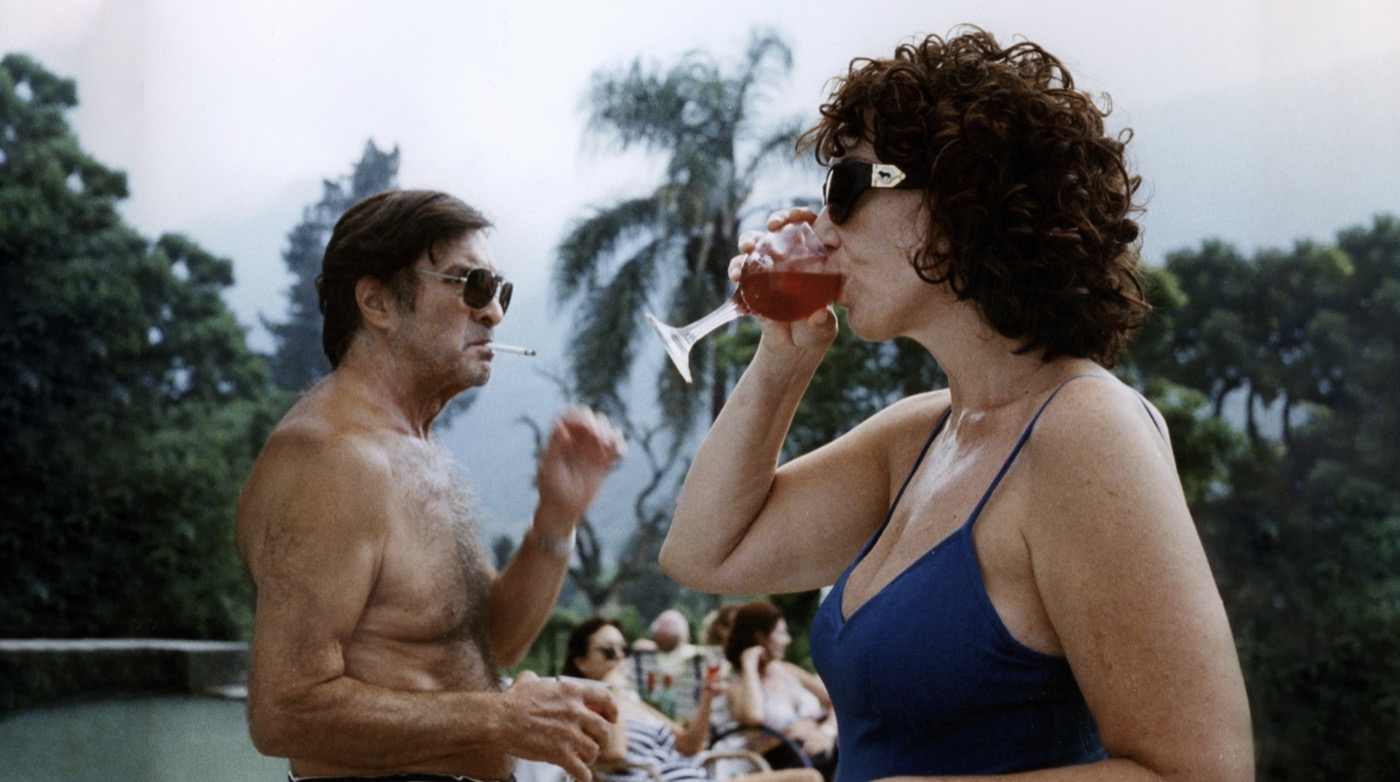
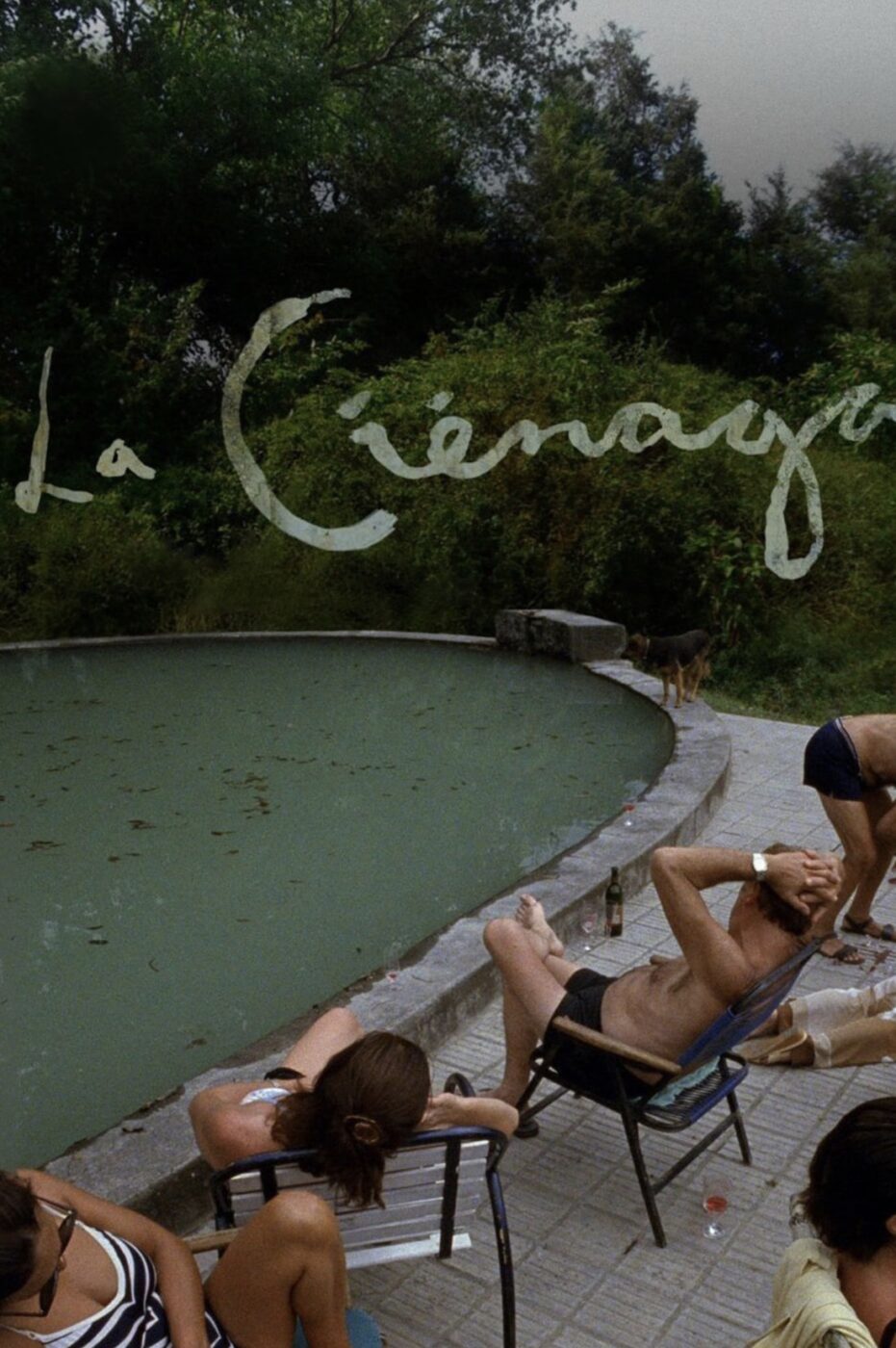
In Lucrecia Martel’s feature film debut, La Ciénaga / The Swamp, the lives of its affluent protagonists are defined by a placid, docile apathy. Idle consumption reigns supreme, and life’s many joys are taken entirely for granted. When the story proper begins, it feels almost a disappointment compared to the film’s surrealist opening sequence. There, the camera lurches in tandem with a group of middle-aged drunks who gulp down wine as sloppily as they pour it. These “bourgie” characters move like zombies, devoid of grace or embarrassment—animalistic beings at odds with the genteel poise that so often characterises the wealthy in cinema.
Their behaviour is unsettling without Martel resorting to crude attempts to disgust the audience through overconsumption. She makes her point with crystalline clarity when not a single character offers a meaningful reaction to the matriarch, Mecha (Graciela Borges), falling and injuring herself. It falls to her daughters, who haven’t yet been fully inculcated into amorality, and the family’s maids to spring into action. This younger generation still possesses a flicker of humanity before it’s groomed out of them by the time they reach their parents’ age.
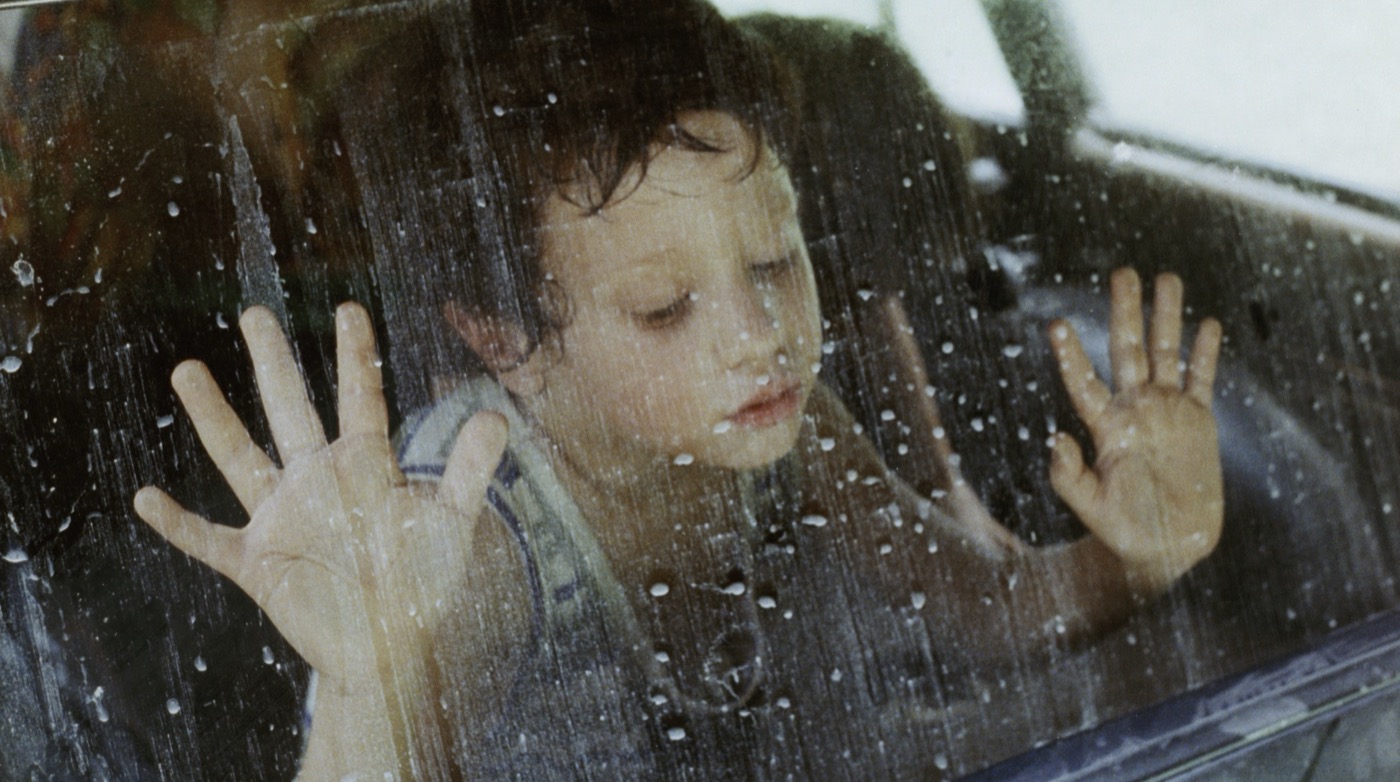
It’s here that the film’s title is at its most transparent; the characters move with such sluggishness it’s as if they’re wading through a mire with every step. Unfortunately, immersive direction is the only thing binding this intriguing opening to the rest of the film—a “slice-of-life” affair where everyday family squabbles occupy almost the entirety of the runtime. None of these characters are particularly interesting, though they aren’t quite dull enough to make their trivial concerns appear farcical.
The family doesn’t stumble through life nearly as gracelessly as they do in that satirical opening scene, which initially suggested the film had something profound to say and was willing to transgress realism to say it. While the adults are a self-pitying lot, they never offer enough insight into the folly of the bourgeoisie to truly resonate. By resisting caricatures, Martel seemingly forgets to create characters. Each member of the family unit feels like a real person, which is just enough to keep the film from becoming tedious. This is a significant achievement given its slow pace and the way it frequently stumbles forward without a guiding force.
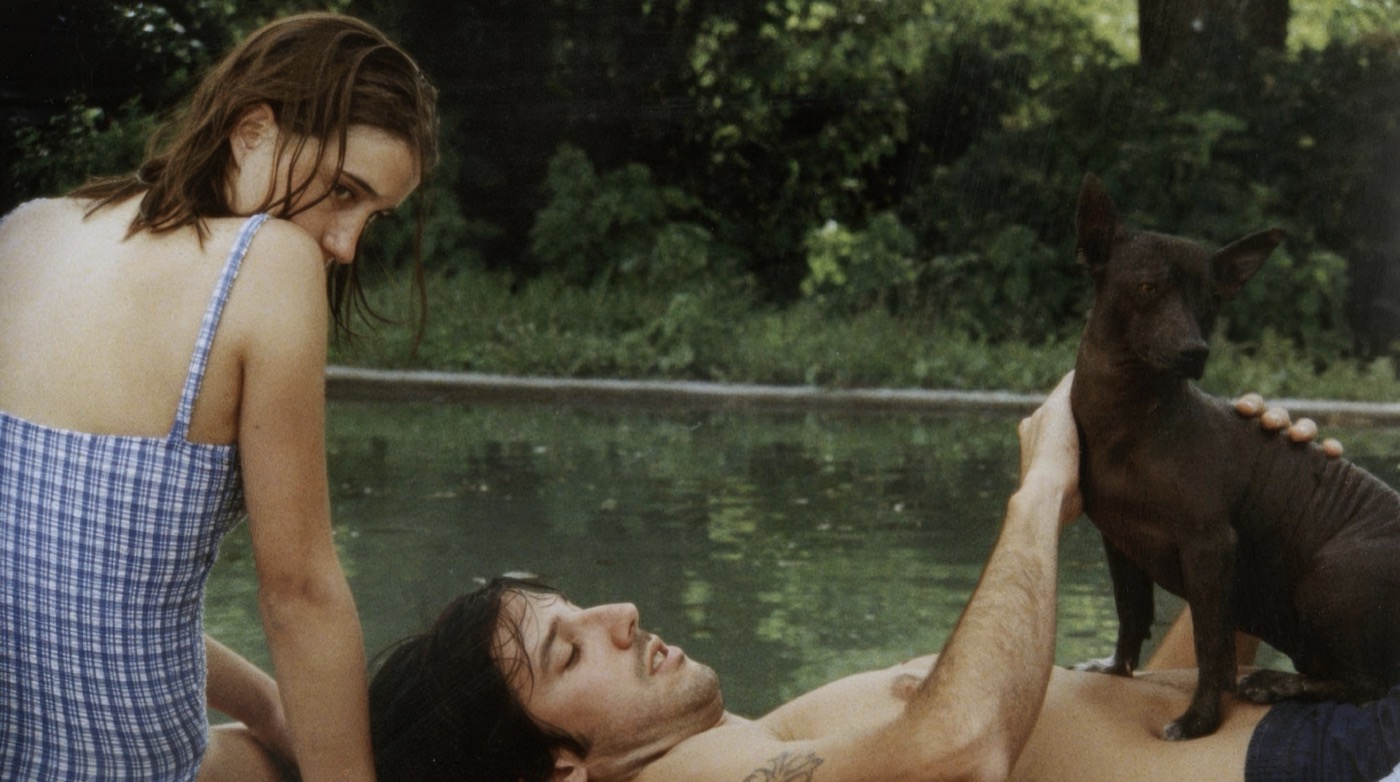
As a visual and aural technician, Martel is firing on all cylinders. Flashy cinematography would never work here, as the film largely relegates its “dramatic content” to the family home. (Referring to these scenes as “dramatic” feels more than a tad generous, but that’s another issue entirely.) There’s an earthy quality to the visuals that makes the world feel textured, especially in the brief forest scenes where the children play out hunting fantasies. The chirp of crickets and other ambient noises dominate almost every beat of this humdrum tale, while the crackle of gunfire or the barking of dogs lends an air of tension to lives that feel as if they’re in stasis.
It isn’t Martel’s ability to immerse viewers that is in question, but whether such immersion is actually beneficial. The opening scene hoodwinks the audience into expecting something far more searing. While there are vague smatterings of commentary on this wealthy family, they’re delivered through such an aimless plot that it feels like watching a snippet of a family’s life with all the boring bits left in. There’s no doubt that Martel announces herself as a self-assured director, but little effort appears to have been made to make this watered-down plot less opaque.
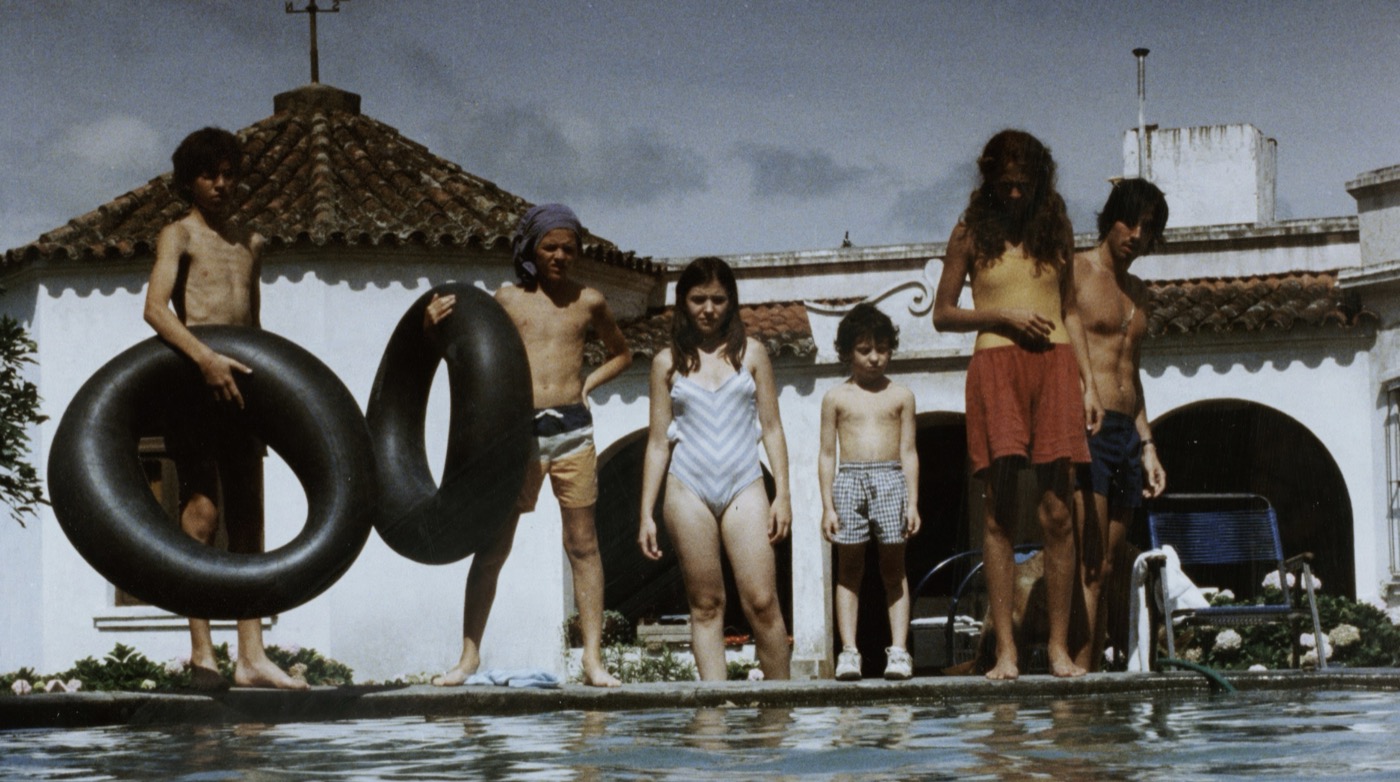
A recurring joke—bereft of any actual humour—regarding a “dog-rat” necessitates a motif of dogs and numerous references to the hybrid animal from the children. This isn’t nearly enough for the youngsters to stick out in one’s mind; Martel could have tossed another child into the mix for a scene or two and I doubt even the film’s admirers would have noticed. It’s only in the final 20 minutes that the film abandons its bloodless approach (an amusing irony, given how often the children wind up scraped and bloody from falls), finally uncovering decay through apathy, malice-laced dialogue, and bitter reflections on the family’s limited worldview. It’s definitive on this front while remaining open-ended enough to acknowledge we’re merely glimpsing a brief window into their existence.
All of this could have been gleaned from Martel’s incredible ability to evoke ambience, with the cast bringing the script to life as adeptly as the direction. The child performers are all talented—a rarity in any film, but doubly impressive for a directorial debut. It’s rare to find such synergy between acting and casting, let alone in a filmmaker’s first foray into the unknown. Thematically, however, it feels as if Martel has bitten off more than she can chew.
There’s an appreciable air of discomfort here, but the film aims too low, moves too slowly, and lacks enough conviction in its writing to truly resonate. It’s rare for first-time directors to take such big swings, and rarer still for them to succeed. Martel’s debut was lauded by critics and has even been cited as the greatest film Argentina has ever produced. Yet, despite the talent on both sides of the camera, La Ciénaga proves too modest in its aims to be truly loving or sufficiently critical of this patronising, ignorant, yet authentic family unit.
ARGENTINA • FRANCE • SPAIN • JAPAN | 2001 | 100 MINUTES | 1.85:1 | COLOUR | SPANISH

writer & director: Lucrecia Martel.
starring: Graciela Borges, Mercedes Morán, Martín Adjemián, Daniel Valenzuela, Leonora Balcarce, Silvia Baylé, Sofia Bertolotto, Juan Cruz Bordeu & Andrea López.